
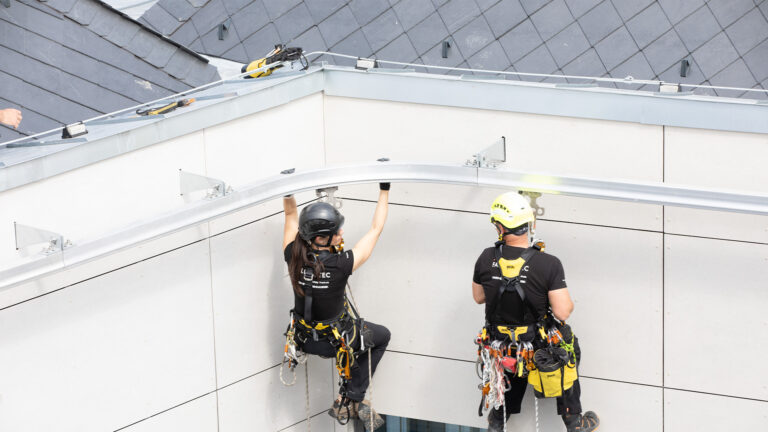
While specific regulations do not explicitly state the obligation to provide an access and maintenance strategy for a building in the UK, several overarching legal obligations necessitate the creation and implementation of such a strategy. The provision of safe access and egress, as well as the maintenance of a safe and healthy environment, are fundamental requirements of the UK’s health and safety legislation.
Here are some of the key obligations related to providing an access and maintenance strategy:
Health and Safety at Work etc. Act 1974 (HSW Act): This Act places a general duty on those who control premises, including building owners and employers, to ensure the health, safety, and welfare of everyone using the premises, so far as is reasonably practicable.
Work at Height Regulations 2005: Where maintenance tasks require working at height, appropriate measures must be taken to prevent falls. This might include providing suitable access equipment and training personnel in its use.
Workplace (Health, Safety and Welfare) Regulations 1992: These regulations stipulate that employers are responsible for maintaining workplaces in a condition that is safe and without risks to health, including the provision of safe access and egress.
Regulatory Reform (Fire Safety) Order 2005: The responsible person (typically the building owner or employer) must ensure that emergency routes and exits are established, maintained, and kept clear.
Management of Health and Safety at Work Regulations 1999: These regulations require risk assessments to be carried out and appropriate measures to be implemented to mitigate identified risks. A maintenance and access strategy would form part of these measures.
Building Regulations: These regulations, which apply in England and Wales, require that reasonable provision be made for access to buildings and to enable people to gain access to and use the building
and its facilities. This includes
both the initial design and any later modifications.
Maintenance of Workplace Health, Safety, and Welfare: Under the Workplace (Health, Safety, and Welfare) Regulations 1992, employers or those who control workplaces must ensure the workplace, including the equipment, devices, and systems, is maintained. This includes ensuring safe access to the building.
Managing and maintaining the building: After the construction phase, the client becomes responsible for managing and maintaining the building. This would include ensuring safe access for maintenance work and the safety of those doing such work.
These obligations are important for the safety and health of everyone who interacts with the building during its construction and use. Non-compliance with the CDM regulations can result in penalties.
Whether you need rope access services, work at height solutions, or building maintenance, GB Specialist Access Solutions ensures the job is done efficiently, effectively, and safely. As a trusted partner, we offer a wide range of products and services to ensure we meet your requirements.